Replace missing teeth
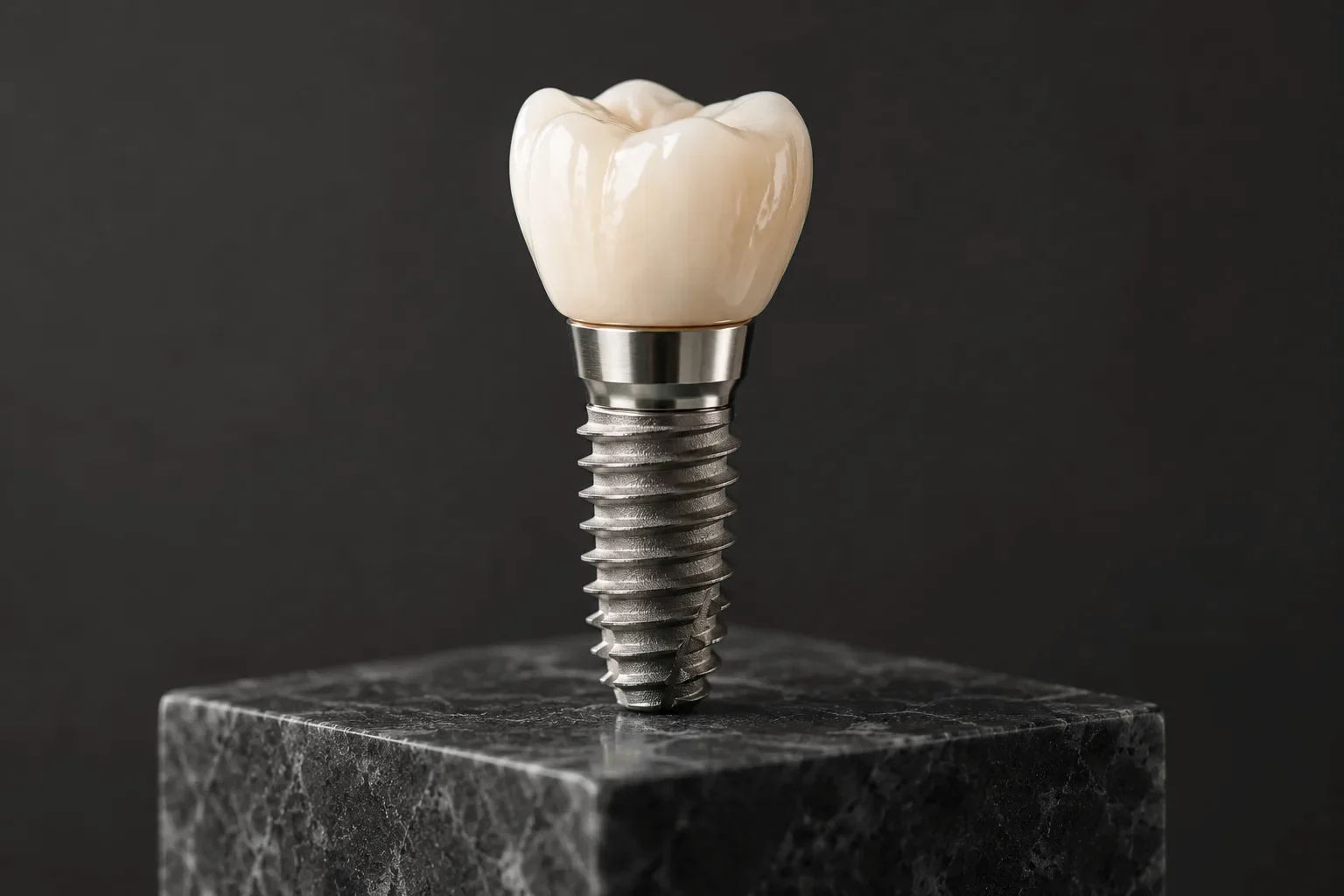
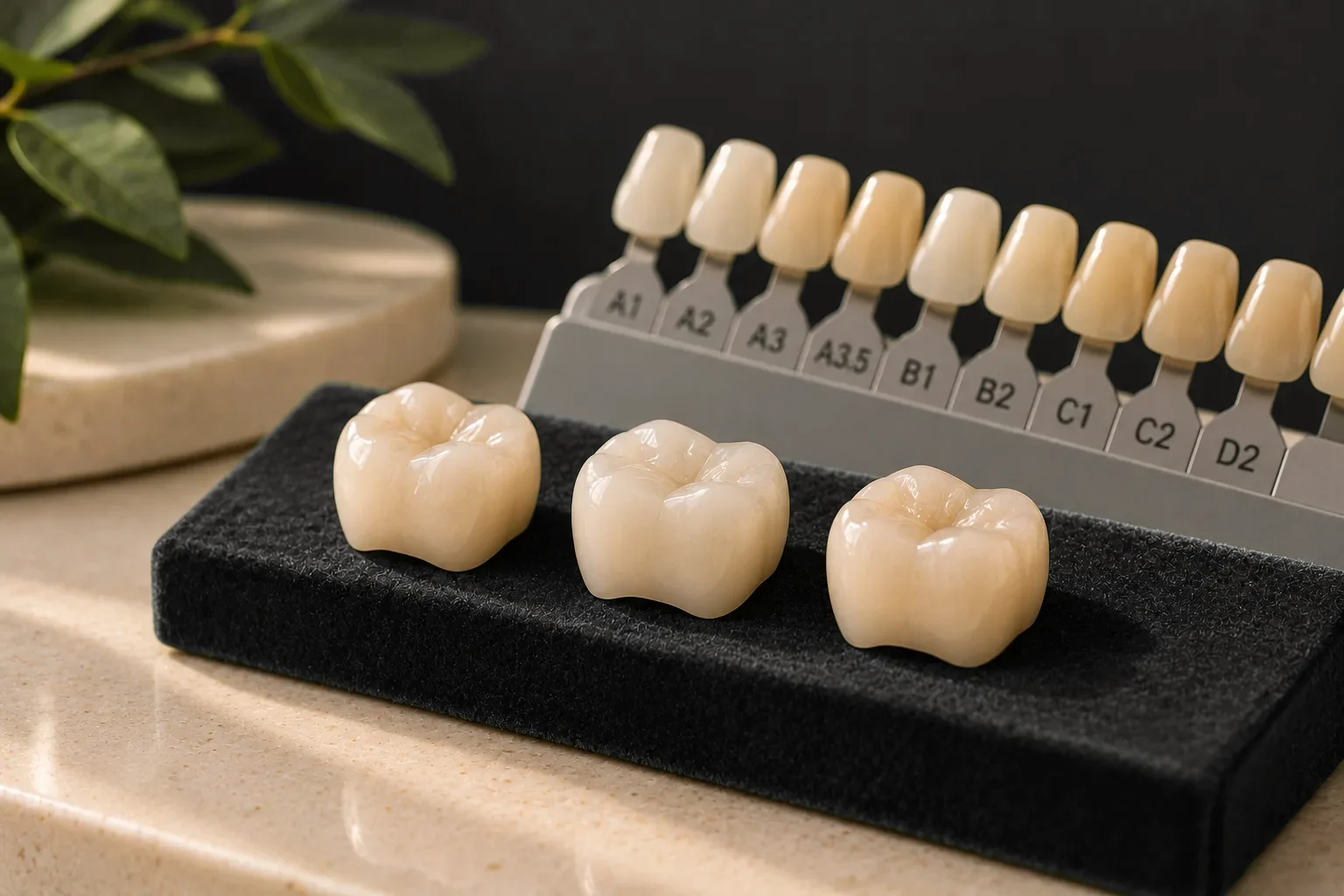
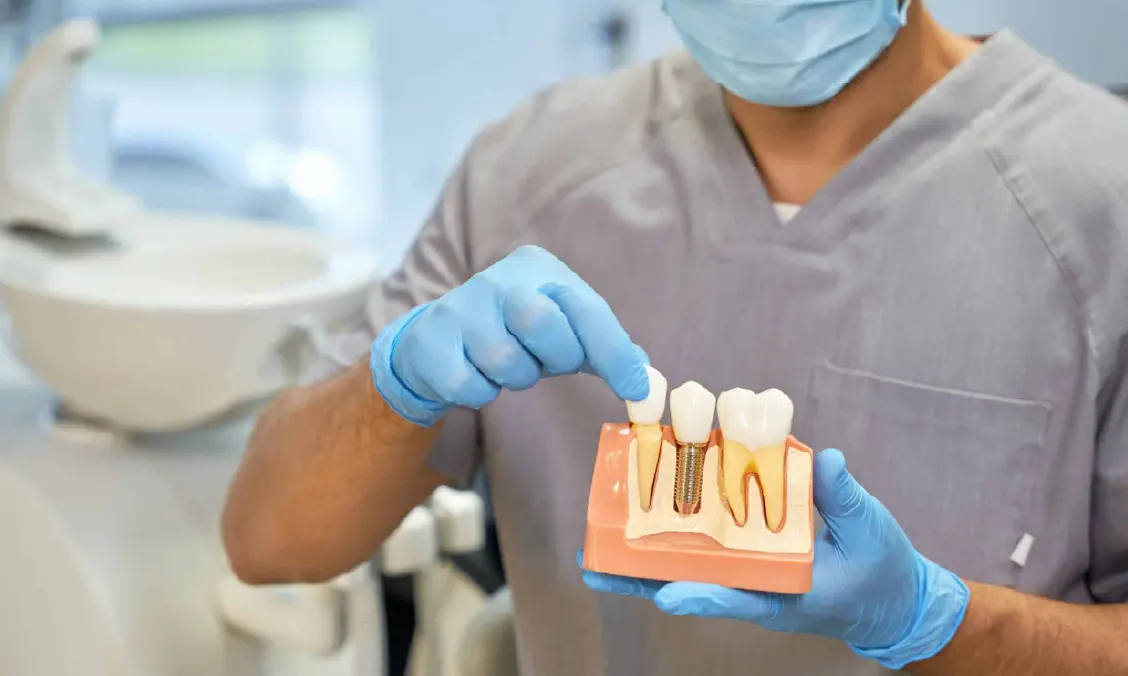
A dental implant is a small titanium post placed in the jawbone to replace a missing tooth root, topped with a custom crown. It looks, feels and chews like a natural tooth and doesn't need the teeth next to it to be cut down. Dr Ruchi Goel plans every implant case at Dental Krafts.
Led by Dr Ruchi Goel
 Dr Ruchi Goel
Is this for you?
How it works
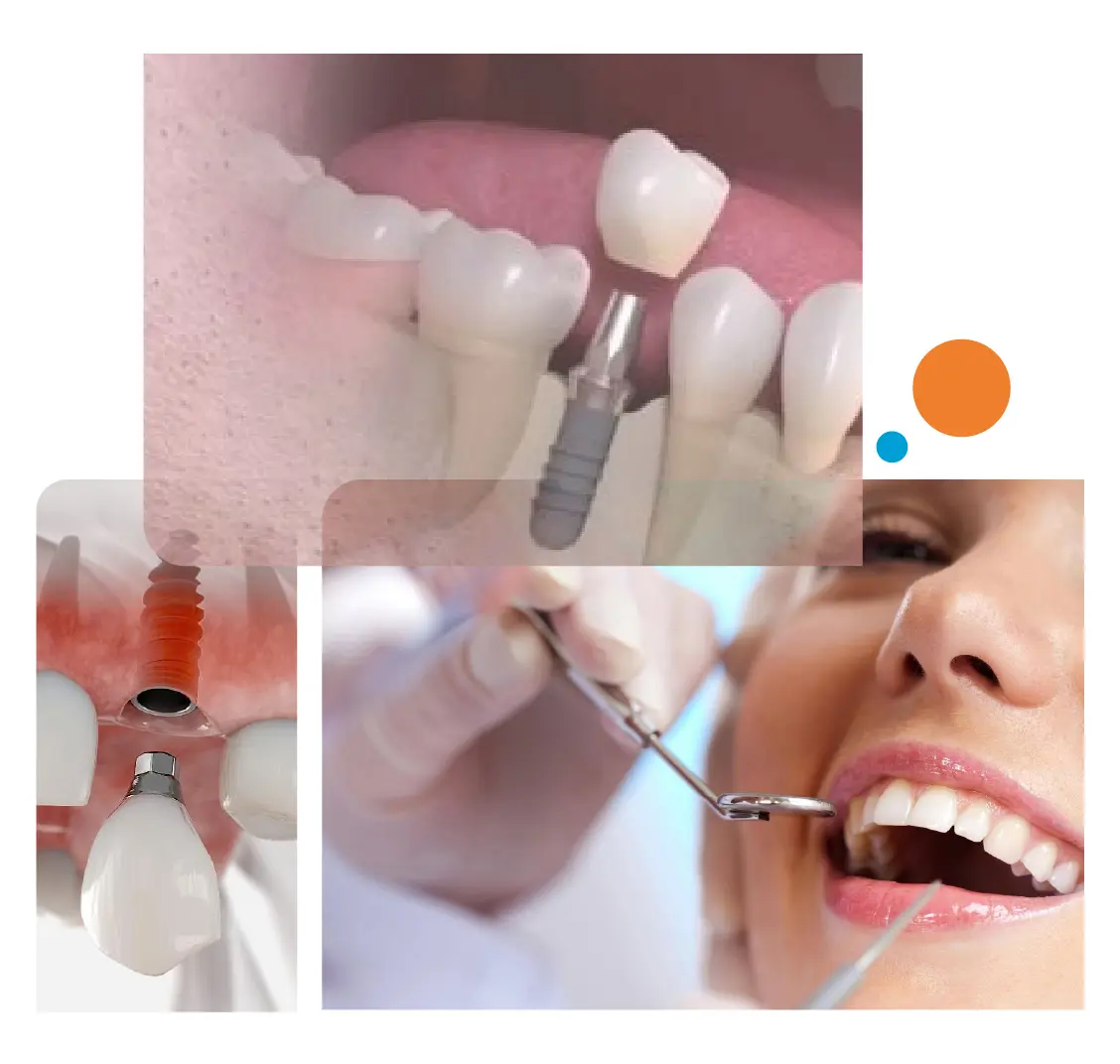
The implant is placed under local anaesthesia. Over the next three to six months the bone bonds to the titanium, a process called osseointegration. Once it's firm, a connector (abutment) and a crown matched to your teeth are fitted. Because the post replaces the root, it also helps keep the jawbone in that area from shrinking.
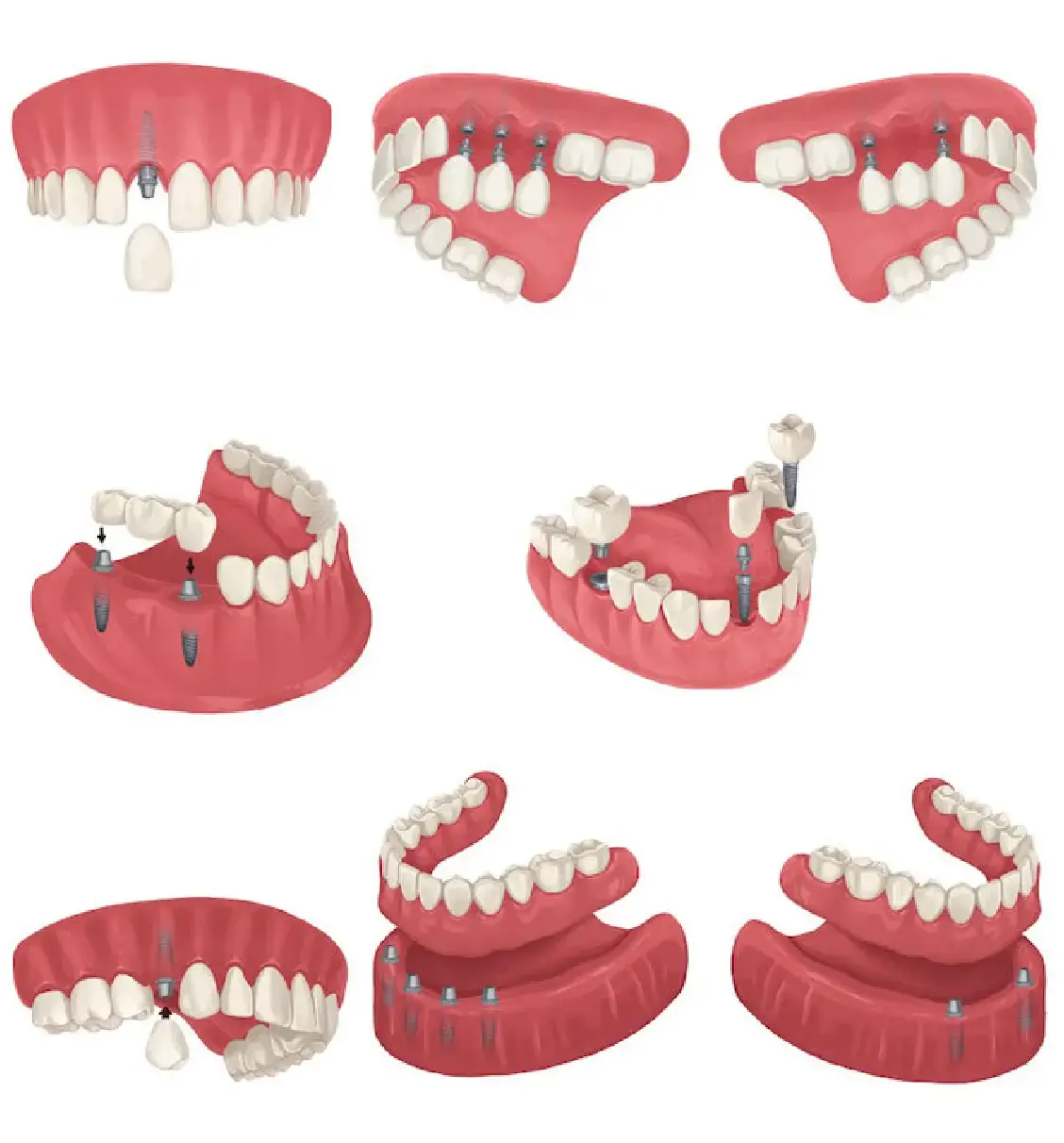
Your options
Step by step
Before anything starts
After the examination you get a written plan: your options, what each step involves and how many visits it takes — itemised part by part. You decide before anything begins, and there's no pressure to start that day.
Results
Implants
A missing back tooth replaced with an implant crown.
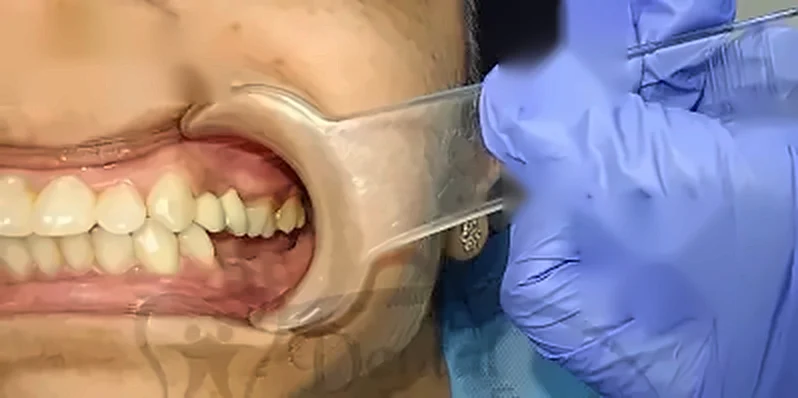
 BeforeAfter
Shared with patient consent. Individual results vary. All results
“Six years after my implant… it is no different from my other teeth, colour-wise or size-wise. Even my wife could not notice it.”Subhash · Implant with bone graft · verified on Practo
Aftercare and who treats you
Eat soft food and avoid hard chewing on that side for the first few days. Brush and floss around the implant exactly as you would a natural tooth, and don't smoke, since smoking raises the risk of implant failure. Come in for a check-up and cleaning every six months.
Implants are a prosthodontic treatment: the surgery and the crown have to be planned together. Dr Ruchi Goel is a Prosthodontist and Implantologist (MDS, AIIMS New Delhi), so the plan is made around how your final teeth will look and bite, not only where the post fits.
FAQs
The procedure is done under local anaesthesia, and most patients say it was easier than an extraction. Mild soreness and swelling for two to three days is normal and is managed with the medicines we prescribe.
With good brushing, flossing and regular check-ups, many implants last 15 to 20 years or longer. The crown on top may need replacing earlier than the post because it takes the daily wear.
Typically three to six months from placement to the final crown, because the bone needs time to bond to the implant. In selected cases a temporary tooth can be fitted earlier. Your plan will give you the timeline in writing.
Age on its own isn't the limit. Bone health and general health matter more, and many implant patients are in their 60s and 70s. We examine you and review your medical history before recommending anything.
Usually yes, when blood sugar is well controlled. Poorly controlled diabetes slows healing and raises infection risk, so we may ask for recent reports and coordinate with your physician.
A bridge uses the neighbouring teeth as anchors, so they must be shaped down. An implant stands on its own in the bone and leaves the neighbouring teeth untouched, and it also helps preserve the jawbone.
Questions about dental implants?