Save a tooth
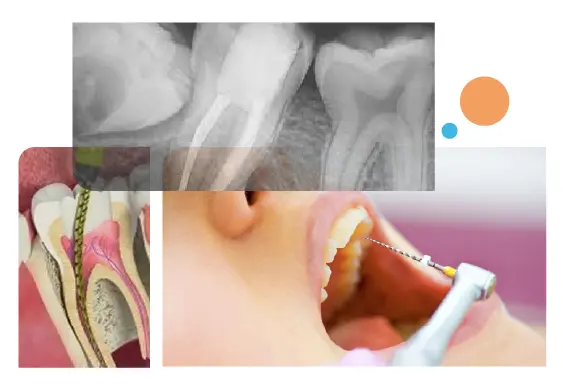
Root canal treatment removes the infected or inflamed pulp from inside a tooth, cleans and seals the canals, and lets you keep the tooth instead of having it extracted. It's done under local anaesthesia and is usually completed in one or two visits.
Led by Dr Parmod Gulia
 Dr Parmod Gulia
Is this for you?
How it works
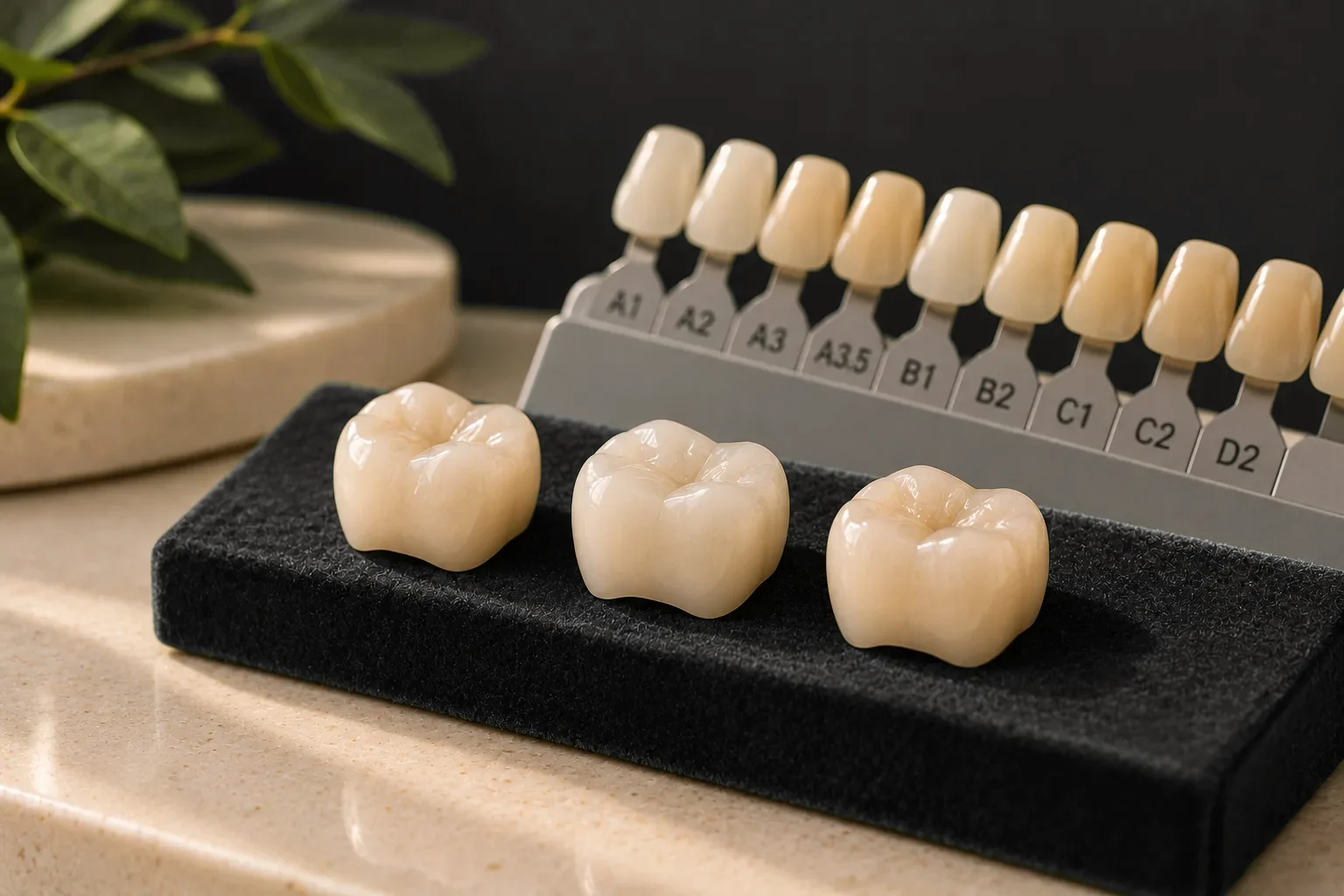
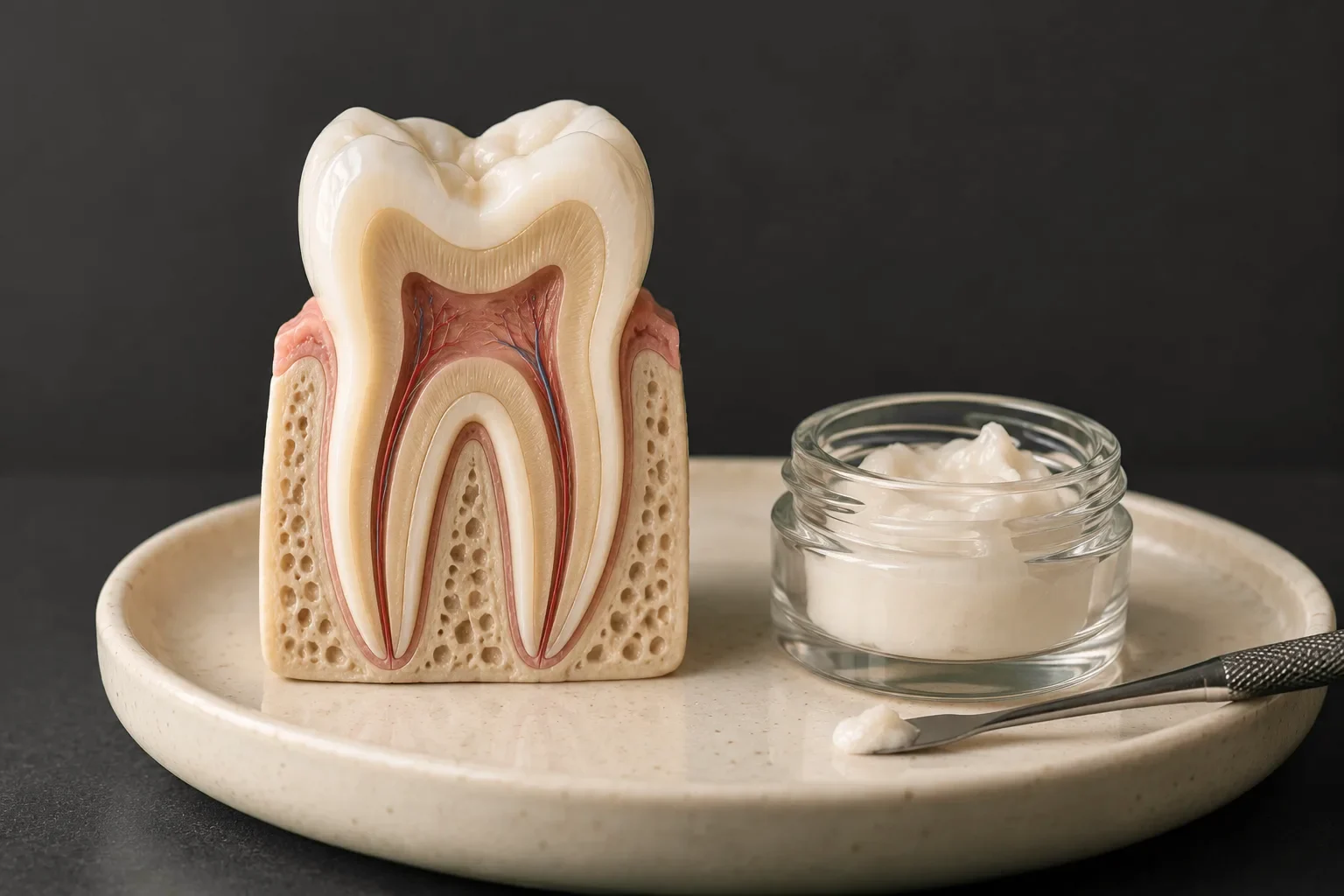
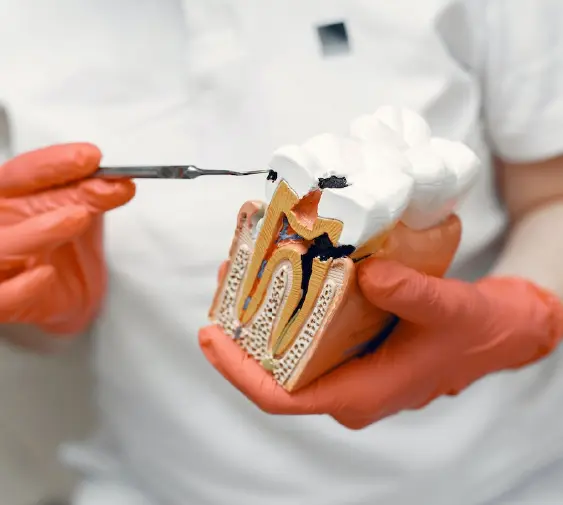
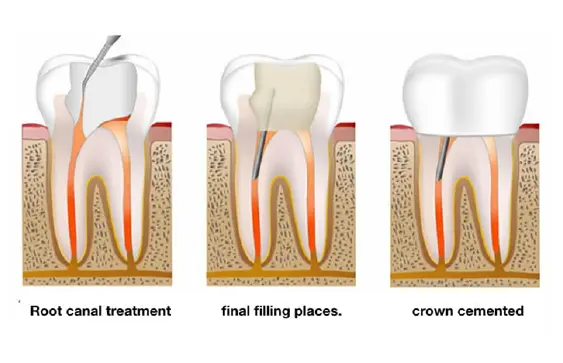
Inside each tooth is soft tissue (the pulp) with nerves and blood vessels. When bacteria reach it through decay or a crack, it becomes infected. We numb the tooth, remove the infected pulp, clean and shape the canals, fill them with a biocompatible material and seal the tooth. A crown is usually advised afterwards to protect it.
Your options
Step by step
Before anything starts
After the examination you get a written plan: your options, what each step involves and how many visits it takes — itemised part by part. You decide before anything begins, and there's no pressure to start that day.
“Painless root canal… great precision.”Vijay · Root canal · verified on Practo
Aftercare and who treats you
The tooth may feel tender to bite on for a few days, which settles with simple medicines. Avoid hard chewing on it until the final filling or crown is fitted, and keep brushing and flossing normally. Most people return to normal activity the same day.
Saving a tooth takes patience and good technique. Dr Parmod Gulia (MDS, PGIMER Chandigarh) uses a calm, step-by-step approach so you understand what's being done and are comfortable throughout.
FAQs
The tooth is numbed with local anaesthesia, so the treatment itself should feel similar to having a filling. Some tenderness for a few days afterwards is normal and is managed with prescribed medicines. The real pain relief comes from removing the infection.
Many root canals are completed in one visit of about an hour, though some need two visits, especially with severe infection or complex canals. We tell you which applies to your tooth after the X-ray.
Typical signs are lingering pain to heat or cold, pain on biting, swelling, a pimple on the gum or a darkening tooth. Only an examination and X-ray can confirm it, so don't wait for the pain to stop by itself.
Saving your natural tooth is usually better, because it keeps your bite and bone intact. Extraction means replacing the tooth with an implant, bridge or denture. We explain both options and recommend what's best for the tooth.
Often yes, especially for back teeth. A root-treated tooth is more brittle, and a crown protects it from cracking. Front teeth with plenty of structure left may only need a filling.
With a good seal and a crown where needed, a root-treated tooth can last many years, often for life. Good brushing, flossing and regular check-ups are what keep it healthy.
In pain right now?
During working hours we try to see urgent cases the same day.
Questions about root canal treatment?