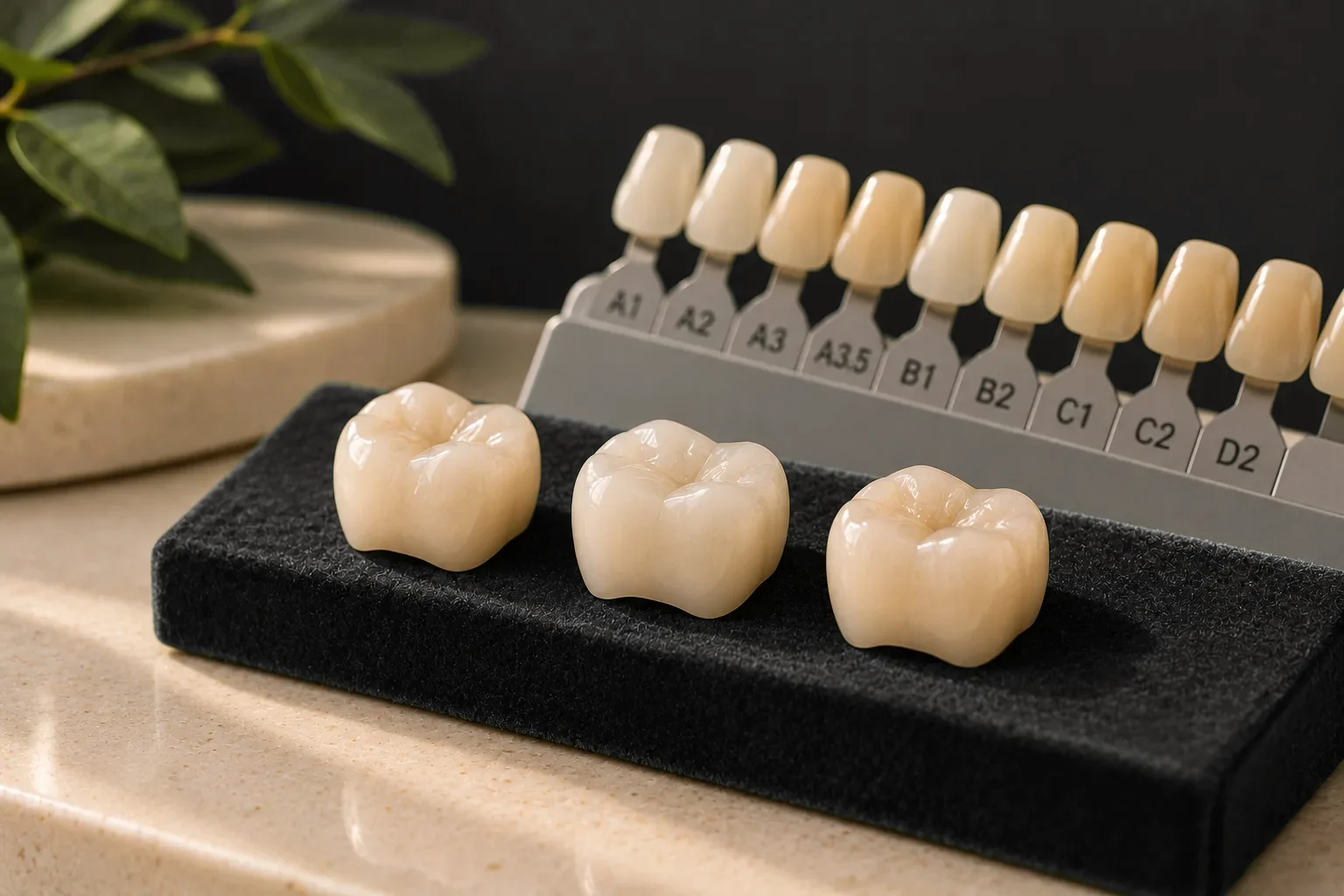
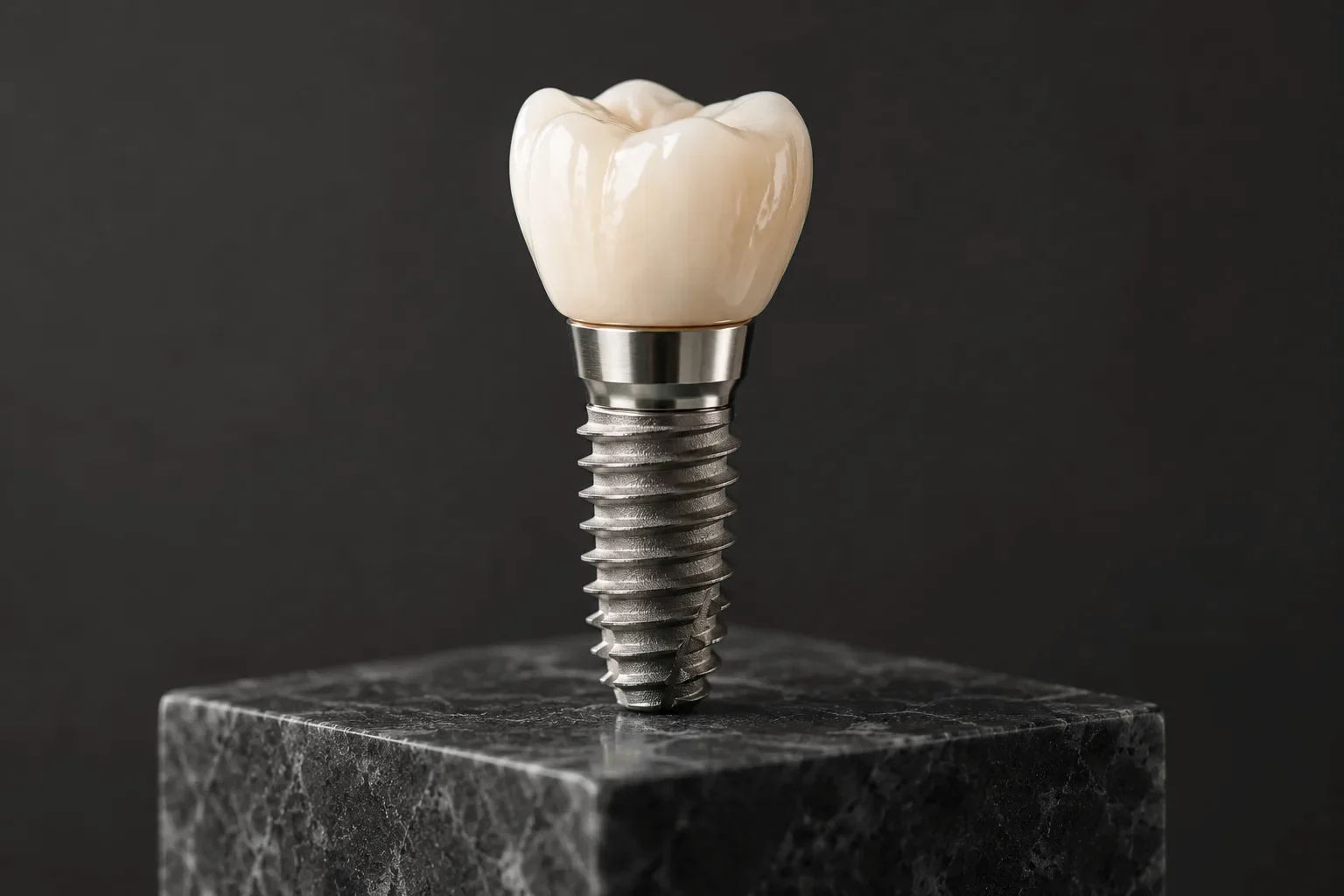
Replace missing teeth
Full-mouth rehabilitation is a planned programme that repairs or replaces many teeth together, using crowns, implants, bridges, gum treatment and bite correction as needed. It is for people whose teeth are worn, broken, missing or painful to chew with, and it's led by a prosthodontist.
Led by Dr Ruchi Goel
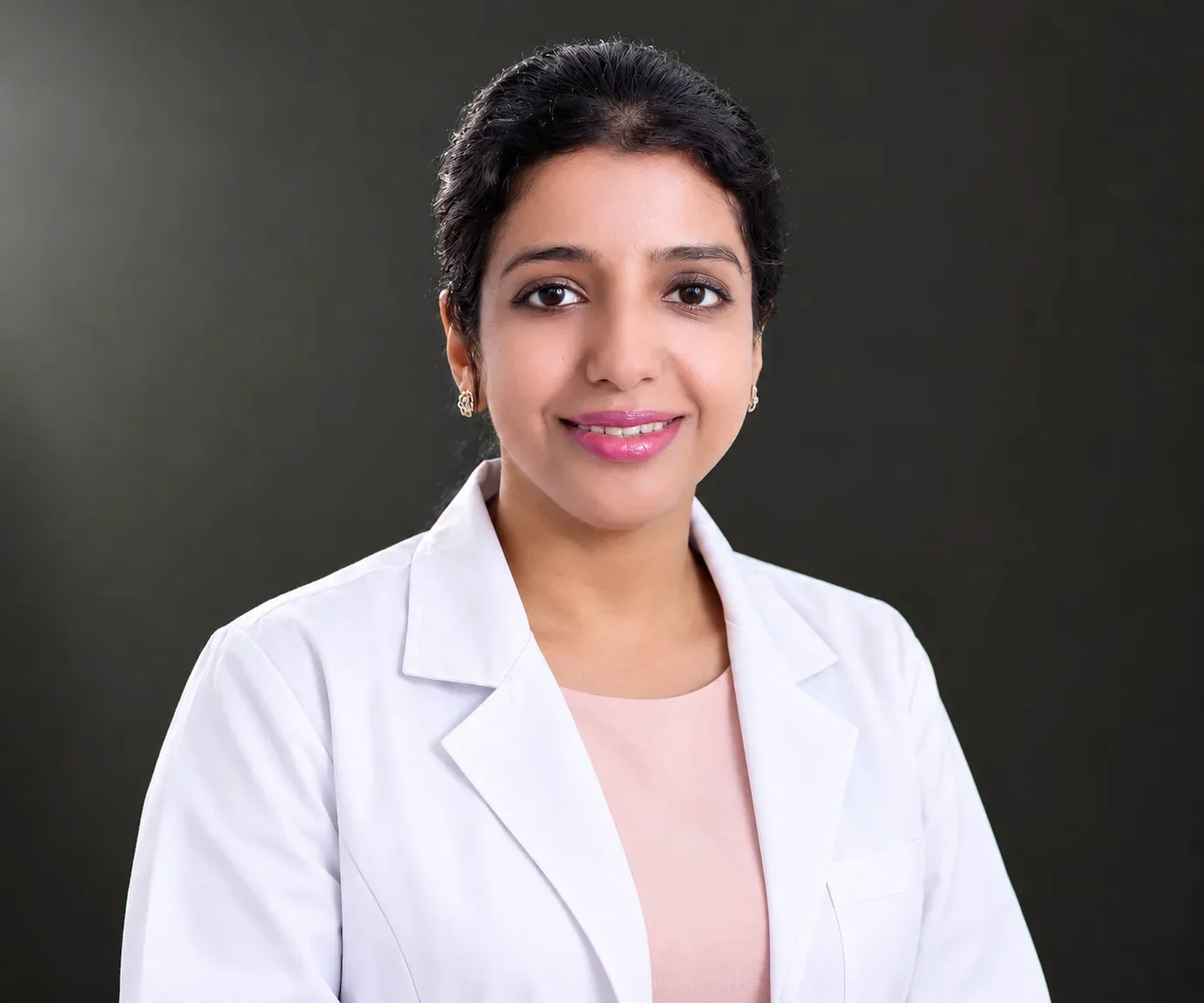 Dr Ruchi Goel
Is this for you?
How it works
We start with a complete diagnosis of teeth, gums, jaw joints and bite, then design the final result first, often with a wax-up or digital mock-up you can see. Treatment is carried out in a logical order: gums and disease control, then any extractions or implants, then crowns, bridges or veneers, so the whole mouth works together.
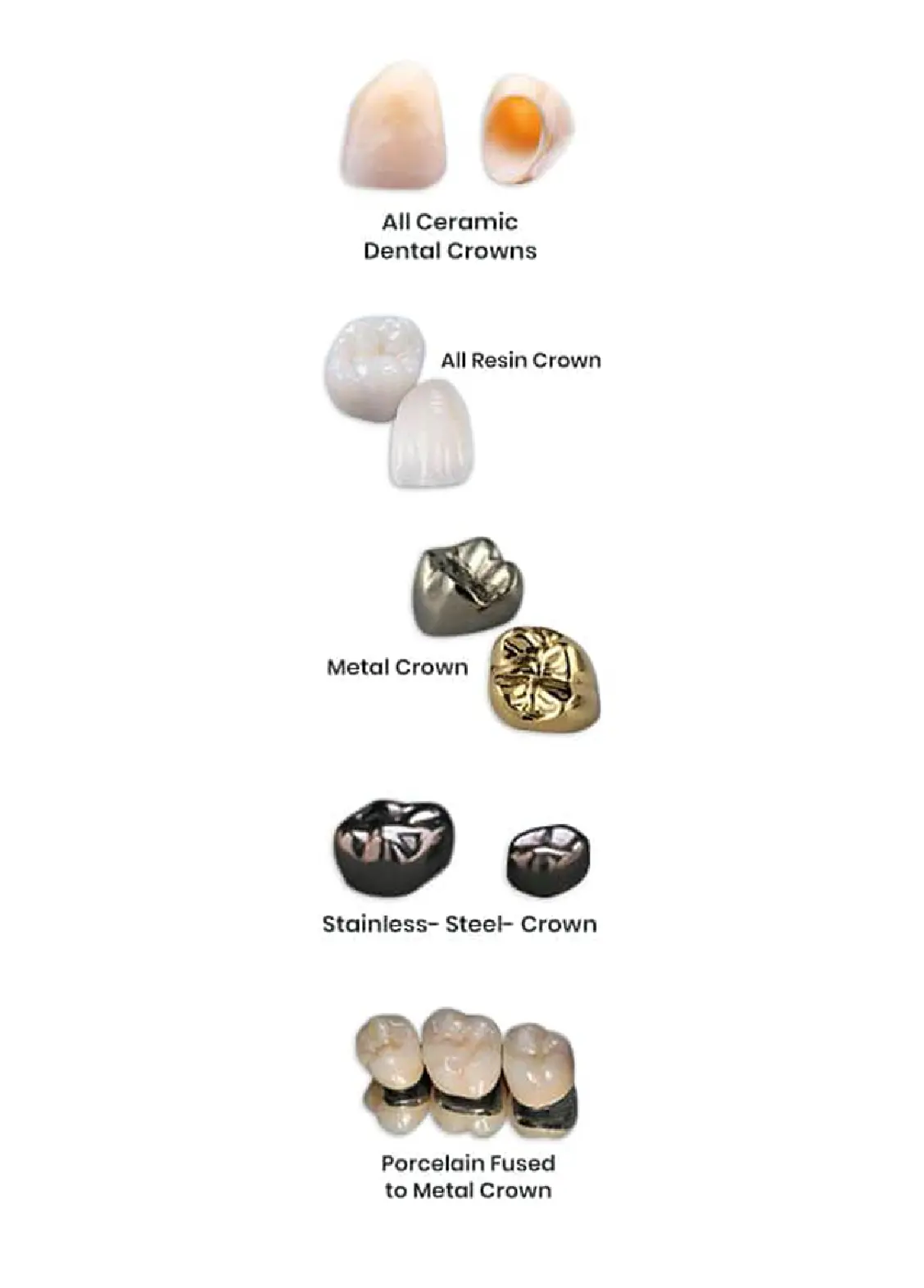
Your options
Step by step
Before anything starts
After the examination you get a written plan: your options, what each step involves and how many visits it takes — itemised part by part. You decide before anything begins, and there's no pressure to start that day.
Results
Full-mouth
Worn and broken teeth rebuilt as part of a full-mouth rehabilitation.
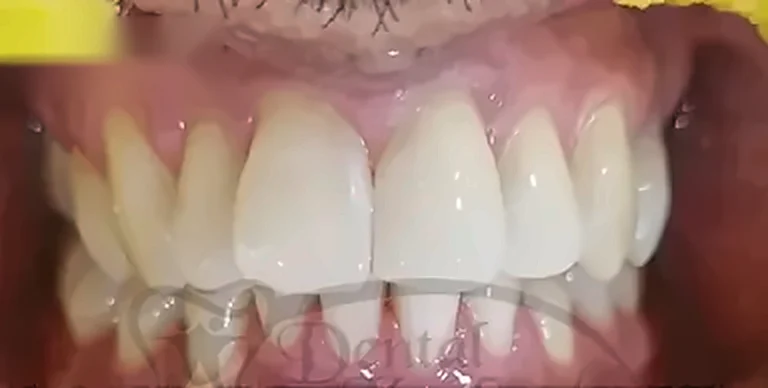
 BeforeAfter
Shared with patient consent. Individual results vary. All results
Aftercare and who treats you
Each stage has its own aftercare, and we explain it as you go. In general: keep the mouth very clean, avoid hard foods on new work, wear your night guard if you're given one, and keep every review so small issues are caught early.
Rebuilding a whole bite is the core of prosthodontics. Dr Ruchi Goel (MDS Prosthodontics, AIIMS New Delhi) plans the whole mouth as one case, so every crown and implant is made to work with the others.
FAQs
It's a planned programme that restores all or most of your teeth together, using treatments such as crowns, implants, bridges and gum care so that your bite, chewing and smile work as one.
People with widespread wear, broken or missing teeth, failing old dental work, or bite problems from grinding. A full examination tells us whether it's needed or whether a smaller treatment is enough.
It depends on what is needed. It is usually done in stages over several weeks to a few months, longer if implants are included. You get the full timeline in writing before starting.
Treatment is carried out under local anaesthesia, with sedation options for anxious patients where appropriate. Some soreness after each stage is normal and is managed with prescribed medicines.
No. We plan temporary teeth so you can eat, speak and smile throughout the process.
Brush twice a day, clean between your teeth daily, wear a night guard if advised and come for a check-up and cleaning every six months. Good care makes the work last much longer.
Questions about full-mouth rehabilitation?