Gums, surgery and urgent care
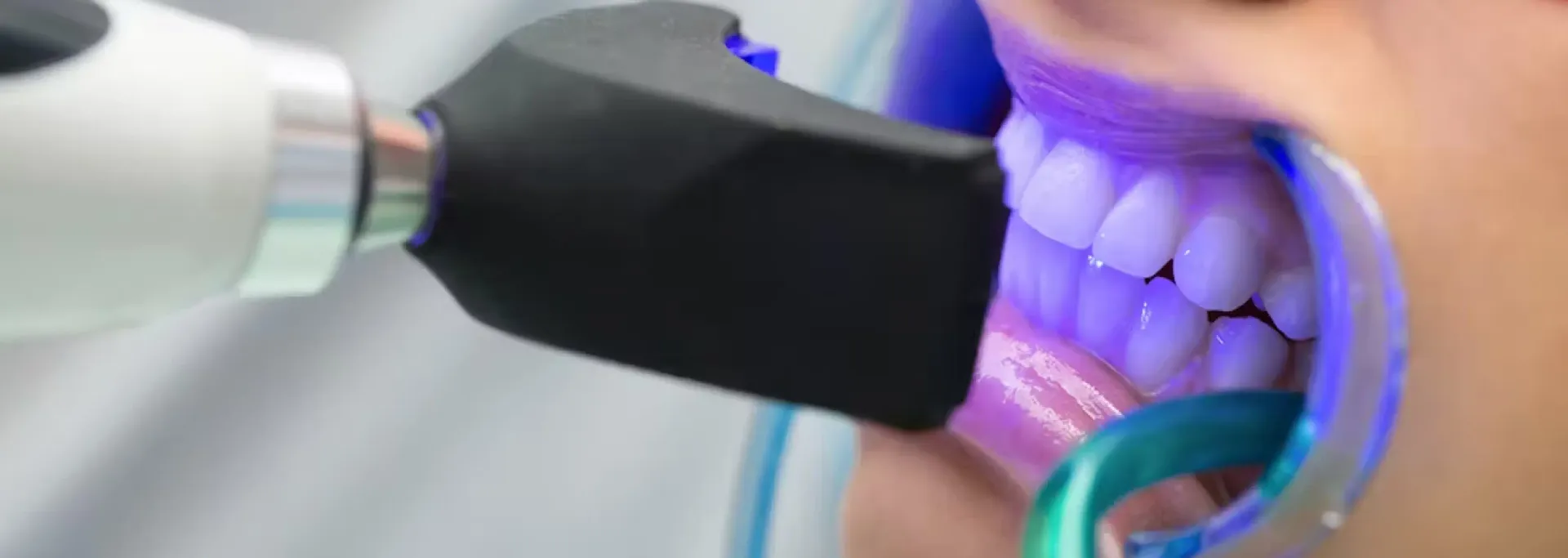
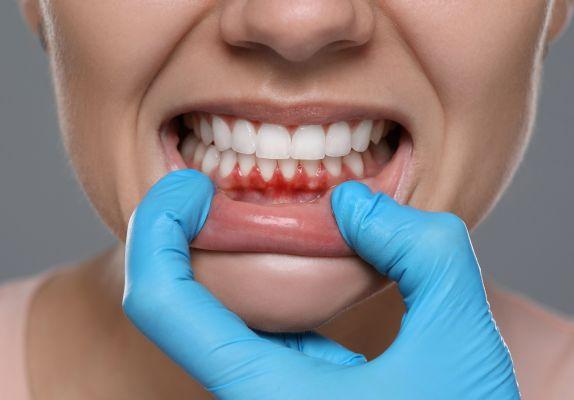
Dental lasers use a focused beam of light to treat gums and other soft tissues in the mouth. For selected procedures they cause less bleeding, often need fewer or no stitches and can speed healing. They support, but don't replace, standard dental techniques.
Led by Either dentist
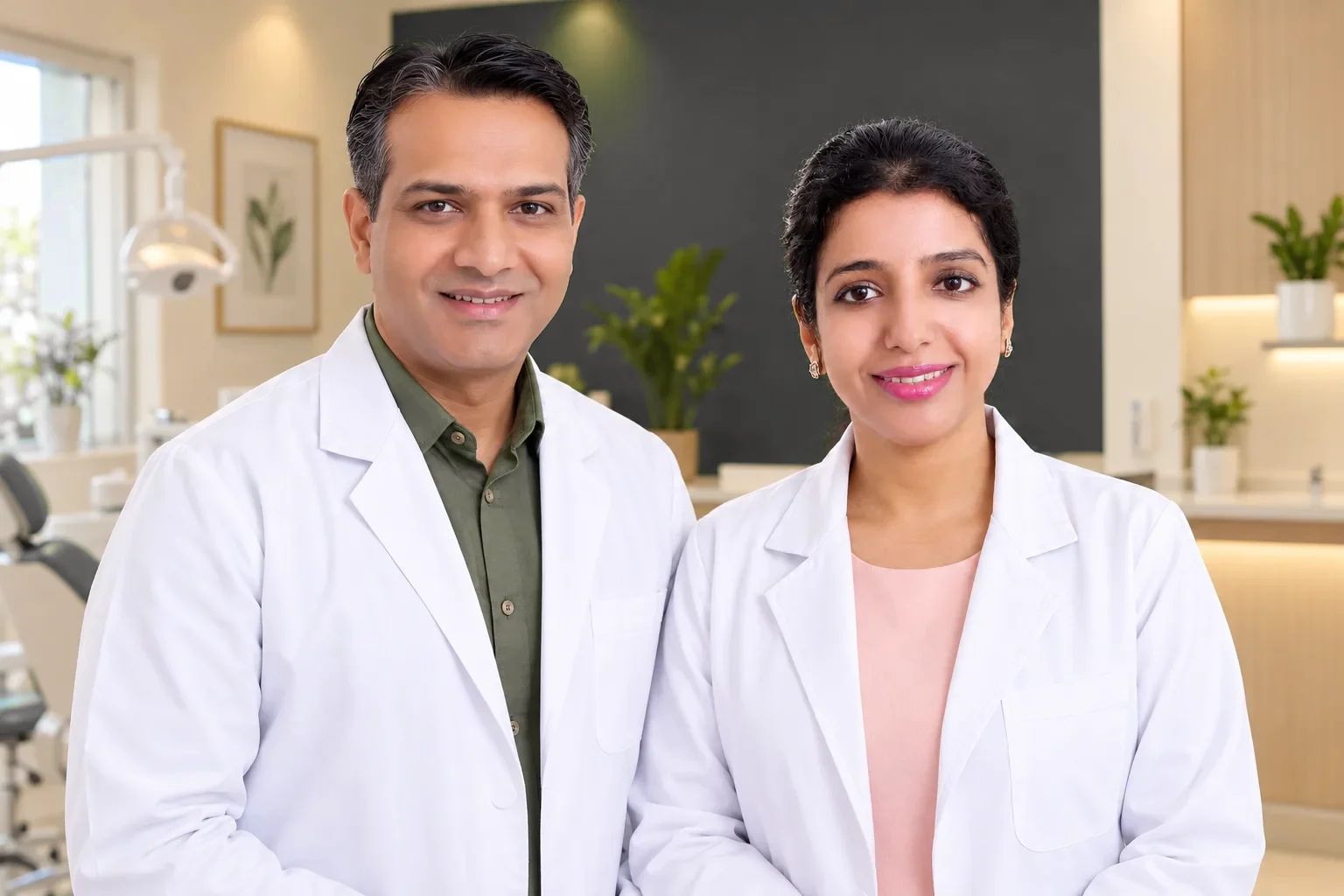 Either dentist
Is this for you?
How it works
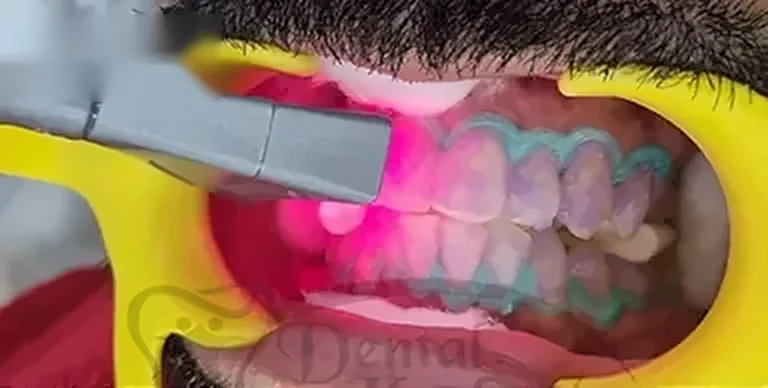
The laser is passed gently over the treated tissue. It seals tiny blood vessels as it works, so there's usually little bleeding. Local anaesthesia is used where needed, and many soft-tissue procedures are quick. Whether laser is suitable depends on the problem, and we'll say so if another technique is better.
Your options
Step by step
Before anything starts
After the examination you get a written plan: your options, what each step involves and how many visits it takes — itemised part by part. You decide before anything begins, and there's no pressure to start that day.
Results
Full-mouth
A collapsed bite restored with crowns and implants.
 BeforeAfter
Shared with patient consent. Individual results vary. All results
Aftercare
Healing is usually quick. Avoid spicy, hot and rough foods for a few days, keep the area clean with gentle brushing and any prescribed rinse, and avoid smoking. Mild tenderness is normal and settles in a few days.
We use laser where it genuinely helps and are honest where it doesn't. Treatment is planned with the rest of your mouth, so the result looks natural and the gums stay healthy.
FAQs
It's the use of a dental laser to treat gums and other soft tissues, with a precise beam of light instead of a blade.
Most soft-tissue laser treatments are comfortable with little or no anaesthesia, and mild soreness afterwards is minimal. Local anaesthesia is used when needed.
Yes, when carried out by trained dentists using the right settings and eye protection. We explain the treatment before starting.
Mainly gum and soft-tissue problems: gum contouring, frenectomy, small overgrowths, certain ulcers and selected gum disease treatment. It's not used for every dental problem.
For selected soft-tissue procedures there's usually less bleeding and swelling and quicker healing than with a scalpel, though the benefit varies by case.
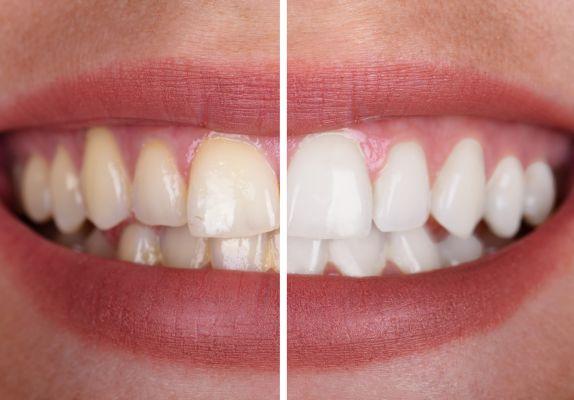
In suitable cases, yes. Laser gum contouring reshapes the gum line to show more of the teeth. We assess whether it's the right option or whether another treatment is needed.
Questions about laser dentistry?